

Why Do Cold or Hot Foods Cause Sensitivity? The Role of Enamel and How to Deal With It
Hello!
This is Nagoya Yagoto Dental & Orthodontics, AEON Yagoto, located in Showa-ku, Nagoya.
Have you ever experienced tooth sensitivity when eating or drinking something cold or hot? This symptom is also called "tooth sensitivity," and is closely related to the "enamel" that covers the surface of the tooth. When enamel is damaged, cold or hot stimuli can reach the nerves directly, causing sensitivity. This article explains in detail the role of enamel, the causes of sensitivity, and specific countermeasures.
What is enamel?
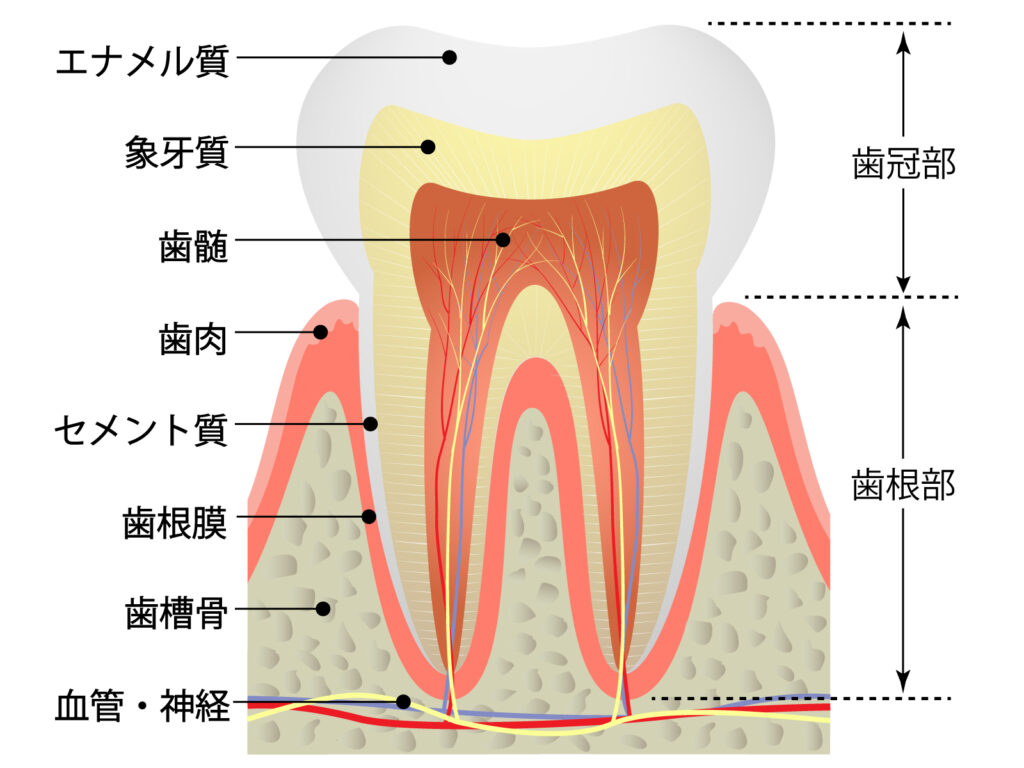
Enamel is the hard tissue that covers the surface of the tooth and serves to protect the tooth from external stimuli. It is considered the hardest tissue in the human body, mainly composed of minerals such as calcium and phosphorus. With healthy enamel, stimuli from cold or hot foods and drinks do not directly reach the nerves.
The main role of enamel is to protect the teeth from acids and heat from food and drinks. It also has a strong structure to withstand friction during chewing. However, once enamel is damaged, it cannot regenerate. Therefore, daily care is extremely important.
What causes tooth sensitivity?
There are several factors that cause tooth sensitivity. It is often related to enamel damage or the condition of the gums.
- Enamel wear
Enamel can gradually wear away due to strong brushing or using toothpaste with a lot of abrasives. Using a hard toothbrush and brushing with too much force can thin the enamel and may cause tooth sensitivity. - Enamel erosion by acid
Frequent consumption of acidic foods such as citrus fruits, carbonated drinks, and wine can make enamel more prone to dissolving. This is called "acid erosion," and as it progresses, the enamel becomes extremely thin and sensitivity symptoms are more likely to occur. - Teeth grinding and clenching
Unconsciously grinding your teeth together strongly causes enamel to wear down. Those who grind their teeth while sleeping should be especially careful. When enamel is worn away, the dentin becomes exposed, which can cause sensitivity. - Periodontal disease and gum recession
When the gums recede, the roots of the teeth become exposed, making it easier for stimuli to reach the nerves. As periodontal disease progresses, the gums tend to recede and the dentin becomes exposed, making symptoms of tooth sensitivity more likely.
If you have any questions about your oral health, please visit Nagoya Yagoto Dental & Orthodontics, AEON Yagoto!
Ways to address tooth sensitivity
The following measures can be effective in reducing tooth sensitivity. By gradually incorporating them into your daily life, you may be able to alleviate symptoms.
- Practice proper brushing techniques
It is important to use a soft toothbrush and brush gently without applying too much force. Instead of scrubbing hard, brush as if massaging your teeth and gums to prevent enamel wear. - Use toothpaste for sensitive teeth
Choose toothpaste that contains ingredients to protect enamel and reduce stimulation to the nerves. Using toothpaste with fluoride can also help strengthen enamel. - Limit acidic foods and drinks
After consuming highly acidic foods or drinks, avoid brushing your teeth immediately and instead rinse your mouth with water or tea. This can help prevent enamel from dissolving due to acid. - Take measures against teeth grinding
If you are concerned about teeth grinding while sleeping, it is recommended to have a mouthguard made at a dental clinic to protect your teeth. If teeth grinding is left untreated, enamel wear can progress, so early intervention is important. - Have regular dental checkups
If symptoms of tooth sensitivity persist, consult a dental clinic. Receiving professional cleaning, fluoride application, or other necessary treatments can help improve symptoms.
Summary
Most causes of tooth sensitivity are due to enamel wear or the effects of acid. Once enamel is lost, it does not regenerate, so it is important to practice proper care on a daily basis. Incorporate correct brushing, use toothpaste for sensitive teeth, and make dietary adjustments to protect your healthy teeth. If symptoms are severe, do not self-diagnose—consult a dental clinic. For those living in Mizuho-ku or Showa-ku, Nagoya Yagoto Dental & Orthodontics, AEON Yagoto is conveniently located, so please feel free to visit us!
Information about Nagoya Yagoto Dental & Orthodontics, AEON Yagoto, your dentist in Yagoto
Located on the 4th floor of AEON Yagoto, directly connected to Yagoto Station on the subway, and open on weekends and holidays.Hours & Access/About the Clinic