

Silver Crowns or Ceramic—Which Is Better? Thorough Comparison of Appearance, Durability, and Cost
Hello!
This is Nagoya Yagoto Dental & Orthodontics, AEON Yagoto, located in Showa-ku, Nagoya.
For dental restorations used in the treatment of cavities or tooth repair, the main options are silver crowns and ceramic. Many people may have wondered which to choose. Each has its own advantages and disadvantages in terms of appearance, durability, and cost, and the best material depends on your preferences and oral condition. This article thoroughly compares the differences between silver crowns and ceramic from various perspectives and provides hints to help you decide which is right for you.

1. Basic Differences Between Silver Crowns and Ceramic
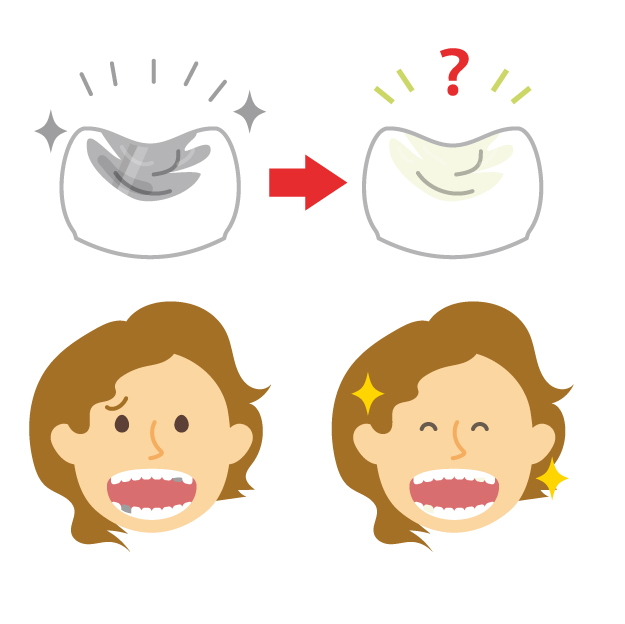
Silver crowns are made from a metal called gold-silver-palladium alloy, which has a long track record in Japan's insurance-based dental care. They are hard, durable, and relatively inexpensive to treat. However, their metallic color is noticeable, and some people may feel uncomfortable using them for front teeth. On the other hand, ceramic is a white, translucent material that most closely resembles natural teeth in appearance. Due to its properties, there is no risk of metal allergy, and it is said to be easier to keep the mouth clean over the long term. However, as it is not covered by insurance, the cost burden is greater than with silver crowns.
2. Differences in Appearance and Aesthetics
If you prioritize a natural appearance, ceramic is clearly advantageous. Ceramic transmits light and can reproduce the texture of real teeth. Especially for front teeth, which are easily visible, it can be finished to blend in with surrounding teeth. In contrast, silver crowns are metallic and noticeable from any angle. While they may be less of a concern for back teeth, some people worry about them showing when they open their mouth. Also, after long-term use, metal ions can leach out and make the gums appear dark, so those who care about appearance should be aware of this.
3. Comparison of Durability and Safety
Both materials have excellent durability. Silver crowns, being metal, can be used on molars that bear strong forces and are less likely to break. However, over long periods, metal can deteriorate or corrode, and cavities may recur at the margins. Ceramic, if properly made, is very long-lasting and resistant to discoloration and deterioration. However, it may break if subjected to strong impact, so those who grind or clench their teeth should be cautious. In terms of safety, ceramic is superior because it does not pose a risk of metal allergy. The metals used in silver crowns can cause allergic reactions in some people, so if you have concerns about your skin or health, consult your dentist in advance.
4. Differences in Cost and Insurance Coverage
In terms of cost, silver crowns are covered by insurance and can be treated at a relatively low price. Even if a wide area needs treatment, the financial burden can be reduced. However, there are restrictions on the materials and shapes that can be used under insurance, which may limit function and appearance. On the other hand, ceramic is generally not covered by insurance, so treatment costs are higher. However, this allows for a wider selection of materials and a more precise and aesthetic finish. For those who value appearance, ease of cleaning over the long term, or want to reduce the risk of cavities recurring, ceramic may be worth the extra cost. It is important to choose the best treatment method within your means, considering your satisfaction after treatment and compatibility with your lifestyle.
At Nagoya Yagoto Dental & Orthodontics, AEON Yagoto, we also provide thorough and appropriate advice for those unsure about choosing between silver crowns and ceramic. Please feel free to consult us.
5. Summary
Both silver crowns and ceramic have their own advantages and disadvantages. Silver crowns are cost-effective and durable, but there are concerns about appearance and allergies. Ceramic looks natural and does not pose allergy risks, but tends to be more expensive. Which to choose depends on the location of the tooth being treated, your budget, aesthetic preferences, and your constitution. It is important to consult with your dentist and choose the material that is best for you. Gaining accurate knowledge and understanding your options is the first step to receiving satisfactory treatment.
If you live in Mizuho-ku or Showa-ku, Nagoya Yagoto Dental & Orthodontics, AEON Yagoto is conveniently located, so please feel free to visit us.
Information about Nagoya Yagoto Dental & Orthodontics, AEON Yagoto, your dentist in Yagoto
Related Services at Our Clinic
Located on the 4th floor of AEON Yagoto, directly connected to Yagoto Station on the subway, and open on weekends and holidays.Hours & Access/About the Clinic